

Advanced Minimally Invasive Joint Care
We provide minimally invasive diagnosis and treatment for selected conditions affecting the knee, shoulder, ankle, hip, and other joints.
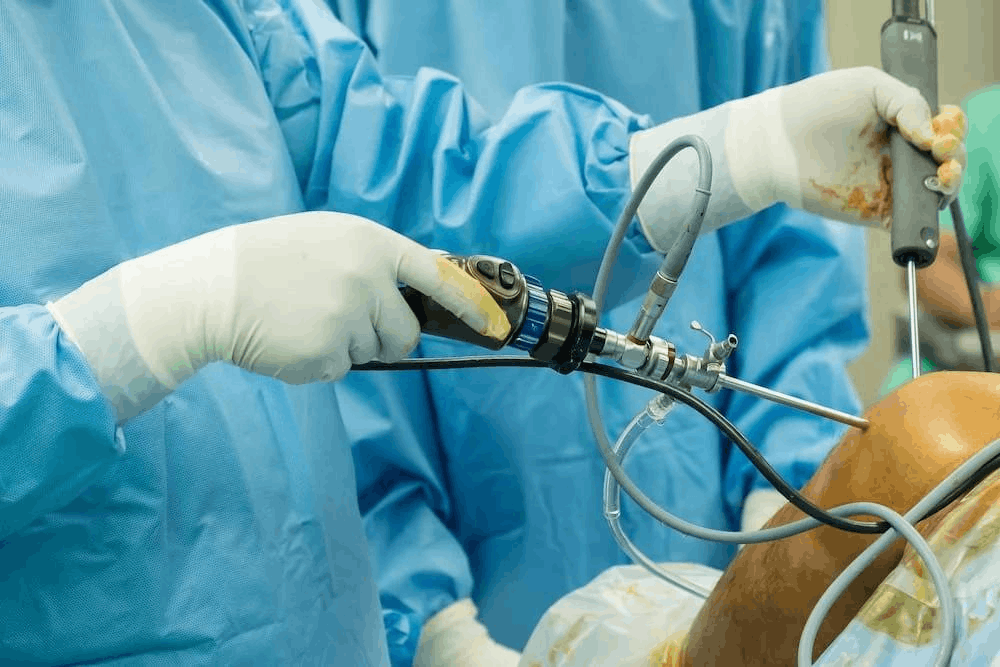
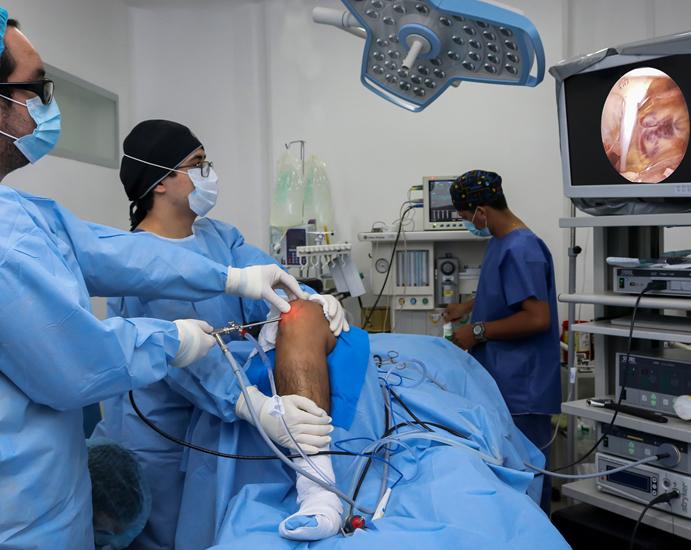
Arthroscopy uses a small camera, called an arthroscope, inserted through a small incision to allow the orthopaedic surgeon to view the inside of a joint and perform appropriate procedures using specialized instruments.
Specialized Care for Major Joints
Arthroscopy can be used to diagnose and treat selected conditions affecting several major joints.
Knee Arthroscopy
Minimally invasive treatment for selected meniscus, ligament, cartilage and other knee conditions.
Shoulder Arthroscopy
Arthroscopic procedures for selected rotator cuff, instability, labral and tendon problems.
Ankle Arthroscopy
Evaluation and treatment of selected cartilage, loose body, ligament and sports-related conditions.
Hip Arthroscopy
Arthroscopic evaluation and treatment for carefully selected conditions affecting the hip joint.
Knee Arthroscopy
- Meniscus tears
- Anterior cruciate ligament (ACL) injuries
- Cartilage injuries
- Selected ligament injuries
- Loose bodies within the joint
- Certain causes of persistent knee pain
Shoulder Arthroscopy
- Rotator cuff injuries
- Shoulder instability
- Labral injuries
- Impingement-related conditions
- Selected cartilage problems
- Selected tendon problems
Ankle Arthroscopy
- Cartilage damage
- Loose bodies
- Persistent ankle pain
- Certain sports-related injuries
- Selected ligament conditions
- Selected joint conditions
Common Arthroscopic Procedures
Depending on the joint and diagnosis, appropriate arthroscopic procedures may be recommended by the orthopaedic specialist.
Benefits of Arthroscopy
Because arthroscopy uses small incisions, suitable patients may experience several advantages compared with some conventional surgical approaches.
Smaller Surgical Wounds
Arthroscopy uses small access points rather than larger traditional incisions.
Less Soft-Tissue Disruption
The minimally invasive approach can reduce disruption to surrounding tissues.
Reduced Discomfort
Suitable patients may experience reduced post-operative discomfort.
Lower Wound Complications
Smaller surgical wounds may reduce the risk of some wound-related complications.
Earlier Mobility
Selected procedures may allow earlier movement and functional recovery.
Faster Rehabilitation
Recovery may be faster than some conventional surgical approaches.
Arthroscopy: From Diagnosis to Recovery
Every patient's treatment plan is based on their individual condition, diagnosis and functional needs.
Clinical Evaluation
Detailed assessment of symptoms, joint function and medical history.
Imaging & Diagnosis
X-rays, MRI or other investigations may be recommended when appropriate.
Treatment Planning
The surgeon discusses whether non-surgical treatment or arthroscopic surgery is appropriate.
Arthroscopic Procedure
The procedure is performed through small incisions using specialized equipment.
Rehabilitation
A structured recovery and physiotherapy plan is recommended according to the procedure.
Why Choose Us?
Our approach combines minimally invasive techniques, individualized treatment planning and rehabilitation support.
Minimally Invasive Approach
Small-incision techniques for selected joint conditions.
Modern Orthopaedic Care
Appropriate surgical techniques based on the patient's diagnosis and functional needs.
Specialized Joint Care
Focus on knee, shoulder, ankle, hip and other joint conditions.
Comprehensive Rehabilitation
Post-operative guidance and rehabilitation support to help restore mobility and function.
Patient-Centred Treatment
Treatment decisions are made after detailed assessment of each patient's condition.
Recovery-Focused Care
Structured care designed to support mobility, function and safe return to daily activities.
When Should You Consult an Orthopaedic Specialist?
Consider an orthopaedic evaluation when joint pain, instability, swelling or restricted movement persists or does not improve with conservative treatment.
- Persistent knee pain
- Knee locking or giving way
- Sports-related injuries
- Suspected ACL or ligament injury
- Meniscus injury
- Persistent shoulder pain
- Shoulder instability
- Recurrent ankle injuries
- Persistent joint swelling
- Reduced joint movement
- Pain that does not improve with conservative treatment
Move Freely. Recover Confidently.
Our Arthroscopy services focus on modern minimally invasive joint care, accurate diagnosis, personalized treatment, and structured rehabilitation to help patients return to their daily activities and sports safely.